If you spend any time around Christian circles or online debates, you’ll notice that the topic of hell sparks a lot of discussion. A popular idea is that hell is a place of non-stop torment with no break or hope of escape. But is this actually what the Bible says? Do people truly experience eternal conscious torment, or are there other valid interpretations? I’ve looked into this question for years and discovered there’s more nuance than many realize. Here’s what I’ve learned about the topic of hell and eternal conscious torment.
The Doctrine of Eternal Conscious Torment: What Is It?
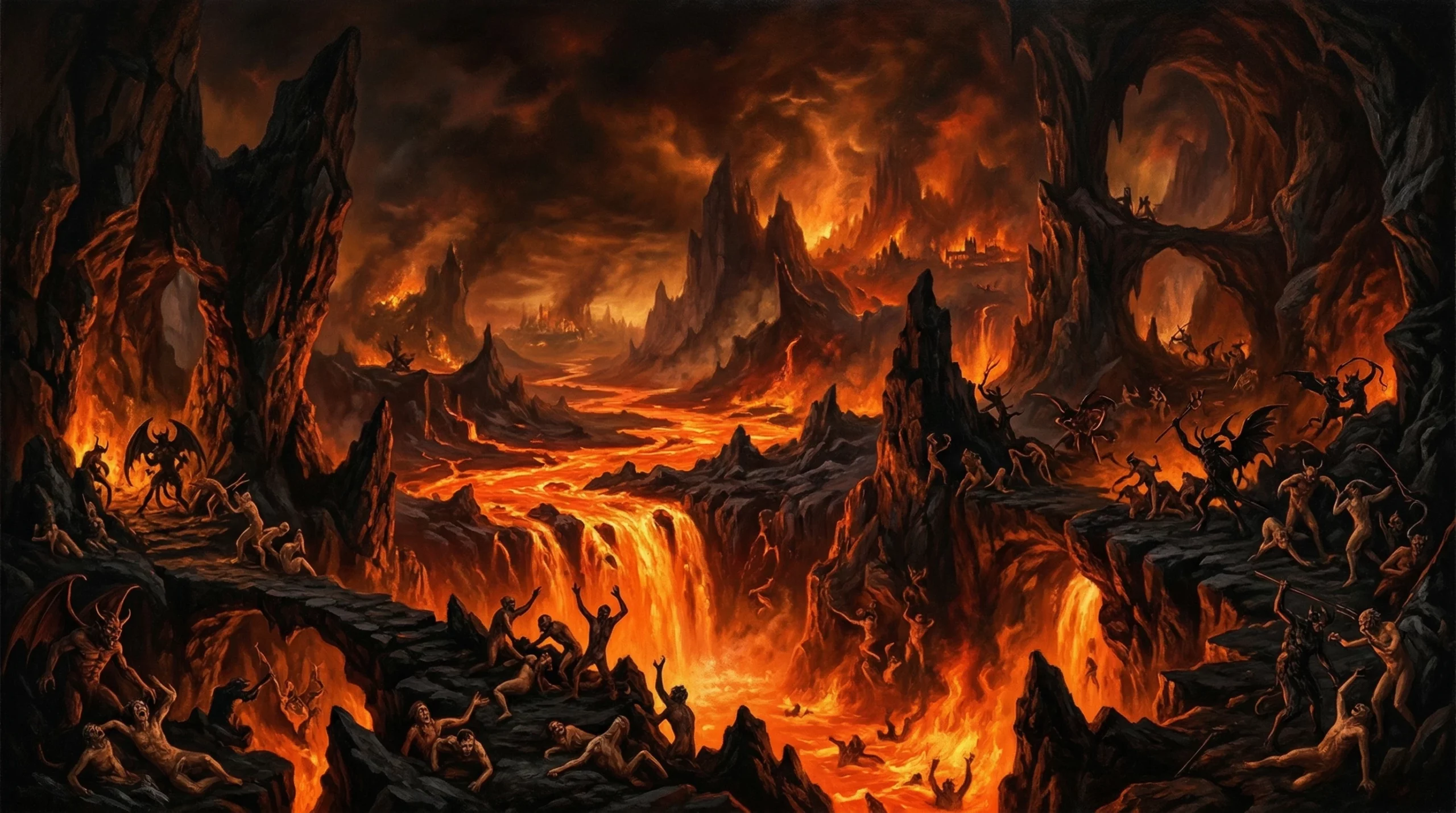
The teaching that hell is a place of neverending suffering, often called “eternal conscious torment” (or ECT), has been around for centuries and is especially common in some branches of Christianity. This view holds that people who reject God are separated forever, always aware of their pain and regret. The popular image comes largely from strong sermons, vivid art, and centuries of tradition.
This doctrine is rooted in a few key Bible passages. Verses like Matthew 25:46 (“And these will go away into eternal punishment, but the righteous into eternal life”) and Revelation 14:11 (“the smoke of their torment rises forever and ever”) get referenced a lot. Supports of ECT argue these texts point to a neverending hell where its inhabitants are conscious of their misery.
However, not all Christians see it this way. Today, many are taking a hard look at these verses, looking at church history, ancient languages, and context. With this, the idea may not be as set in stone as it first seems. So if you’re curious where the eternal suffering idea comes from (and whether it’s the only valid Christian view), you’re not alone in asking.
Is Hell Really Eternal and Irreversible?
A big question is whether hell truly lasts forever. The words often translated as “eternal” or “forever” come from the Greek word “aionios.” While this word can mean endless, it also can refer to an age or long time period depending on how it’s used. Some Bible experts note that early Jewish and Christian sources sometimes saw hell lasting for an age, not strictly forever (BibleHub: aionios meaning).
As for irreversibility, certain traditions say that once a soul enters hell, there’s no exit. But other Christian thinkers suggest God’s mercy could reach even into hell or that hell acts as a refining, purifying fire instead of ongoing misery. This forms the basis of ideas like universal reconciliation or annihilationism, where souls are either restored or cease to exist instead of suffering endlessly.
So, is hell truly eternal and shut tight? The debate is real. The language and ancient context give enough room for real discussion, showing there isn’t just one way Christians have understood this over history.
Are People Tormented in Hell Forever?
The vision of neverending conscious torment is vivid and, frankly, disturbing. For a lot of people, this comes from famous works like Dante’s “Inferno” or intense sermons that have echoed through cultures. Supporters of ECT will point to Bible verses mentioning “weeping and gnashing of teeth” (Matthew 13:50) or “where their worm does not die and the fire is not quenched” (Mark 9:48).
But not all Christians interpret these literally. Many Bible scholars say the language in these passages is often symbolic or designed to jolt listeners into paying attention. Some verses use hyperbole or ancient ways of speaking about shame, ruin, or absence rather than literal pain. That explains why some denominations teach that hell means complete destruction (“annihilationism”) or a temporary period before restoration (“universalism”).
So, whether people are tormented in hell forever depends a lot on how the texts are read and traditions are passed down. There’s more variety in Christian belief than you might think at first glance.
Is Hell a Place of Fiery Torment?
Images of hell with flames, demons, and neverending agony are everywhere. The phrase “lake of fire” in Revelation or talk of burning rubbish heaps outside Jerusalem (Gehenna) all feed into this idea. Fire is a common symbol in ancient writings—used for destruction, but also sometimes for cleansing and renewal. Gehenna, specifically, was an actual valley used as a garbage dump, likely inspiring Jesus’ references.
Throughout the Old and New Testament, fire is often described as purifying or refining. For example, gold is cleared of impurities by fire, and prophets talk about God’s fire as getting rid of sin. Some church traditions take the fire literally, while many others see it as a symbol of separation from God or complete nonexistence after judgment.
If you want to dig into whether hell is really fiery torment, it helps to look at how first-century Jews and early Christians used these word pictures. The simple “fire and brimstone” view is not the only one historically held.
Are There Levels or Different Experiences of Torment in Hell?
A popular question is whether hell is experienced the same by everyone or if there are levels of suffering. The Roman Catholic tradition, for example, talks about “degrees of punishment” based on people’s actions or their particular rejection of goodness. Much of this reasoning comes from Jesus’ words about it being “more bearable for Sodom and Gomorrah” than some other towns (Matthew 10:15).
In contrast, many Protestant branches believe in a shared outcome—either endless torment, total destruction, or restoration for all. Famous works like Dante’s poem imagine circles or layers of punishment, but these are artistic creations, not strictly what the Bible says.
Looking at the scriptures, statements about “greater condemnation” are mostly found in Jesus’ teachings. Whether that points to real differences in punishment or a sense of regret is up for debate among Christian thinkers.
Why Would a Good God Allow or Create Hell?
This is perhaps the toughest question of all. For many people, the classic image of eternal suffering seems totally at odds with a loving, all-powerful God. Some defenders of the old doctrine say God’s justice and perfection mean that rejecting goodness brings serious, lasting consequences.
Others push back, questioning whether a truly loving God could allow endless pain or punishment. Some believe hell is a result of a person’s own choices—a chosen separation, not imposed suffering. Universalist traditions go even further, seeing hell as a kind of side adventure that ends with everyone being welcomed back to God’s presence.
Some theologians argue that real justice allows for consequences, but never despair without hope of restoration. They suggest that everlasting, pointless torment doesn’t fit with the broader story of the Bible’s redemption theme.
Common Questions About Hell and Eternal Punishment
If you’re working through all this, here are some common questions that might help:
Are you tormented in hell forever?
The answer really depends on your tradition. Some say yes—eternal conscious pain. Others believe in total destruction (annihilation). A few argue for restoration after a period.
Is hell really eternal and irreversible?
Some teach that it is, using passages about “eternity.” Others say the Bible’s words mean “age-long,” so not truly without end. Some churches hold out hope for redemption after death.
Are there levels of torment in hell?
Certain branches teach about varying degrees of punishment or regret, but this isn’t the case everywhere. Quite a few traditions treat hell as the same for all who enter.
Is hell always a place of fiery torment?
No. The fiery images are famous, but many see them as symbols of separation from God, destruction, or grief rather than eternal burning.
Why is the good God so unforgiving?
Most Christian theologians say God isn’t unforgiving. Instead, God honors human freedom, making hell about the consequences of conscious rejection. Others focus on verses pointing to mercy and ultimate reconciliation through God’s love.
What Does This All Mean for Everyday Believers?
It’s normal to wrestle with questions like these. Careful reading, exploring church history, and hearing different Christian voices can really help. Whether you believe the traditional picture, support annihilation, or hope for restoration, the important point is to take these ideas seriously and stay open to learning more.
Discussions about hell remind us that beliefs aren’t just abstract—they change how people treat others, view God, and live their lives. That’s why it matters to approach these topics with a spirit of humility, honesty, and patience with yourself or anyone else still working it out.
Hopefully, this look at hell and the question of eternal conscious torment gives you plenty to think about, with space to check out different perspectives and decide where you land as you keep growing in your faith journey.