Spiritual retreats and pilgrimages attract people from all walks of life who want to refresh their spirits, deepen their beliefs, or track down a clearer sense of purpose. Whether you’re new to exploring your inner life or you’ve been checking out this adventure for years, taking time away from your regular routines for spiritual renewal is a practice that’s more accessible and meaningful than ever. In this article, I’ll walk through the basics of retreats and pilgrimages—what they mean, how they’re unique, and what kinds you’ll find around the world.
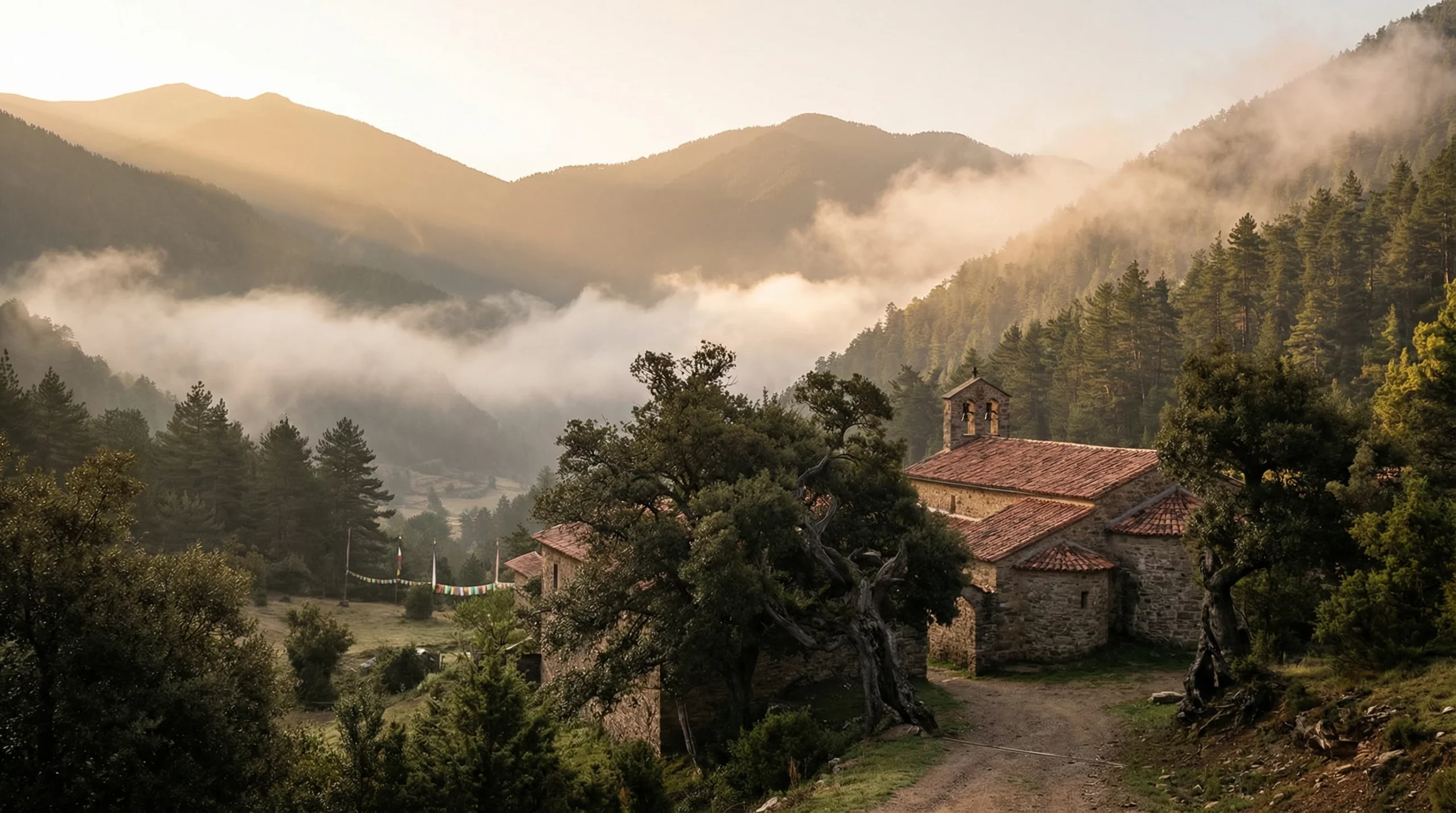
The Difference Between a Retreat and a Pilgrimage
Even though a lot of people use the words “retreat” and “pilgrimage” for any spiritual trip, they aren’t quite the same thing. A retreat generally means stepping away from day-to-day life to rest, reflect, and reconnect—usually in a quiet place set up for this purpose. In a retreat, you stay in one location and do activities meant to nurture your soul.
A pilgrimage, on the other hand, is a journey to a place that’s viewed as sacred or spiritually important. It usually involves travel, sometimes over long distances, and represents a physical movement that reflects a search for purpose or healing. While they both offer spiritual benefits, the main difference is that retreats focus on stepping inward and slowing down in one place. In contrast, pilgrimages focus on traveling outward to find meaning or blessings.
What Are Spiritual Retreats?
Spiritual retreats are a chance to step back from the noise and distractions of modern life. Most retreats offer guided practices, opportunities for silence, and a dedicated space where you can focus entirely on your inner life. You don’t have to belong to any particular religion to attend; many retreats are open to anyone looking for reflection, clarity, or peace. Some people go solo, while others join group retreats, depending on what feels right.
People attend spiritual retreats for lots of reasons. Maybe to recover from stress, grieve a loss, or reconnect with what’s genuinely important to them. The real magic of a retreat comes from being surrounded by calm and supportive energy, giving you the chance to pause, listen, and reconnect with your most authentic self. Whether you’re after self-discovery, stress relief, or simply need a digital detox, there’s a retreat format out there for you.
Types of Spiritual Retreats
There’s a wide variety of spiritual retreats available, each with its own vibe and set of practices. Here’s a look at some popular types you’ll find around the world:
- Silent Meditation Retreats: These are all about meditation, mindfulness, and (as you’d guess) periods of silence. They’re designed to help you tune into your thoughts and feelings without outer distractions.
- Nature or Ecoretreats: For those who feel a connection to the outdoors, these retreats usually happen in scenic places like forests, mountains, or beachside resorts. Activities can include guided hikes, outdoor meditation, or time to journal while soaking up the view.
- Yoga Retreats: These focus on different styles of yoga and often incorporate workshops, nutritious meals, and teachings around philosophy or mindfulness.
- Religious or Monastic Retreats: Many monasteries and temples offer structured experiences based on prayer, contemplation, or religious study. You don’t need to be part of that particular religion to attend, but there’s usually a set rhythm to the day, including rituals shared by the community.
- Creative or ArtsBased Retreats: Some retreats invite you to connect with your spirit through painting, writing, music, or dance as a form of meditation and selfexpression.
- Wellness Retreats: These retreats combine spirituality with physical health, offering activities like mindfulness workshops, nutritional guidance, and gentle movement. It’s a chance to reset your mind and body together.
Each retreat is different. Some focus on reconnecting with personal beliefs, others are more about healing, and a few are just about getting some quiet in a busy world. Retreat centers often share their schedules ahead of time so you know exactly what kind of pace and activities to expect. Many even offer online previews or introductory videos to give you a clearer picture before you sign up.
What Is a Spiritual Pilgrimage?
A spiritual pilgrimage is more than just a trip; it’s a journey with a heartfelt purpose. Traditionally, people take pilgrimages to holy sites such as Jerusalem, Mecca, Lourdes, or Varanasi. These places have deep historical and spiritual significance, and making the trip is usually seen as an act of devotion or search for enlightenment.
The act of traveling, sometimes on foot over great distances, can create a powerful mix up in perspective. The physical journey is matched by an emotional or spiritual one, often leading to insights, healing, and even lifelong friendships along the way. Spending time walking, reflecting, and meeting fellow travelers often becomes as important as actually arriving at your destination.
Modern-day pilgrimages come in all shapes and sizes. You might hike the Camino de Santiago in Spain, walk to a temple in Japan, or visit a local place that holds personal meaning. For many, the road itself is as meaningful as the destination. Shorter pilgrimages to local shrines or even meaningful walks in your own community are becoming increasingly popular, proving that distance doesn’t always equal depth of experience.
Reasons People Seek Retreats and Pilgrimages
Everyone’s reasons are a little different, but here are some of the common motivations that draw people to retreats or pilgrimages:
- Processing life changes, like the loss of a loved one or a big transition
- Recovering from burnout or chronic stress
- Searching for purpose, guidance, or fresh inspiration
- Exploring or deepening spiritual beliefs
- Seeking a reset when life feels overwhelming
- Wanting to heal emotionally or physically
- Building community with like-minded individuals
- Looking for answers to long-standing personal questions
- Desiring to mark a milestone or new chapter with intention
Whether it’s a quiet weekend at a retreat center or a month-long trek to a sacred site, these experiences can offer valuable space for personal change. Sometimes, even a short time away is enough to see things from a whole new angle. The combination of fresh surroundings, time away from technology, and exposure to different perspectives often leads to surprising shifts in your thinking.
Planning Your Spiritual Retreat or Pilgrimage
Setting up your own getaway for spiritual growth might feel a little overwhelming, especially with so many options available. Here are a few steps I’ve found super useful when planning:
- Figure Out Your Intentions: Get clear about why you want this experience. Are you looking for rest, answers, or simply a break from your routines?
- Pick the Format: Decide if you’re looking for a rooted-in-place retreat or a journey-style pilgrimage.
- Research Locations: Look up places that support your goals—nature, monasteries, guided group trips, or solo getaways.
- Consider Practical Details: Think about cost, travel requirements, dietary needs, and any time commitments. Budgeting ahead and understanding travel logistics will smooth the way.
- Prepare Mentally and Physically: Sometimes these experiences are challenging. Like walking long distances or sitting in silence for hours. Getting ready beforehand helps you get the most out of it.
- Read Reviews and Ask Others: Reaching out to retreat centers or talking to people who’ve been where you want to go can be pretty helpful, too. Firsthand stories and honest reviews usually paint a realistic picture. Many communities also have online forums where you can check in for tips and support.
Common Challenges and How to Handle Them
Heading off the grid isn’t always easy. You might run into things like missing your routines, dealing with challenging emotions, or feeling a little lost without your phone or social media. Some people get restless during silent retreats or feel lonely during solo adventures. For me, just knowing these feelings are normal and usually temporary makes the process smoother.
- Homesickness or Restlessness: Bring along a comforting item or journal to help center yourself. Writing down thoughts or meditating can serve as a touchstone if you start to feel unsettled.
- Physical Challenges: Prepare with some training if your pilgrimage involves lots of walking or hiking. Stretching, proper footwear, and nutrition can make a big difference in your comfort.
- Unmet Expectations: Be open; sometimes what you need isn’t what you thought you’d find. Flexibility goes a long way in making the most of your time.
- Integration When You Return: Plan for time to gently adjust once you get home so you don’t lose the benefits you gained. Many people keep a journal or continue a small practice at home to keep the insights fresh over time.
FAQs About Spiritual Retreats and Pilgrimages
Question: What’s the best type of retreat for a first-timer?
Answer: That depends on your comfort zone. If you like structure and community, a group yoga or meditation retreat works well. For a quieter experience, try a personal retreat in a monastery or ecolodge. Test the waters with a weekend local retreat before heading somewhere far away.
Question: Do I need to be religious to benefit from a retreat or pilgrimage?
Answer: Not at all. Plenty of retreats are nonreligious, focusing on things like mindfulness, creativity, or personal growth. Pilgrimages can be just as meaningful if you approach them with your own intentions and an open heart. Rarely do programs require any specific beliefs.
Question: Are there risks or things to be mindful of?
Answer: Safety can be a concern, especially on solo adventures. It’s worth checking the area you’re going to, letting people know your plans, and having backup options if you need help. Always keep an eye out for your well-being, listen to your gut, and don’t hesitate to ask locals or organizers for advice.
Final Thoughts
Taking time for your spirit isn’t selfish; it’s one of the best investments you can make in long-term happiness and resilience. Retreats and pilgrimages aren’t about running away from reality, but about stepping back so you can return to daily life refreshed, centered, and filled with new insights. Whether you choose a tranquil mountain retreat or journey to a revered site, the experience will be as unique as you are. Give yourself permission to explore, pause, and let the adventure shape you for years to come.