Mindfulness retreats for couples can be super helpful when life feels a bit out of balance or when you just want to reconnect on a deeper level. These getaways offer a unique space away from everyday distractions and tech, allowing couples to focus on each other and on their shared well-being. If you’re thinking about taking this step with your partner, I’m sharing all the basics you’ll want to know, tips for choosing the right retreat, and what actually happens at these peaceful escapes.
What Is a Mindfulness Retreat for Couples?
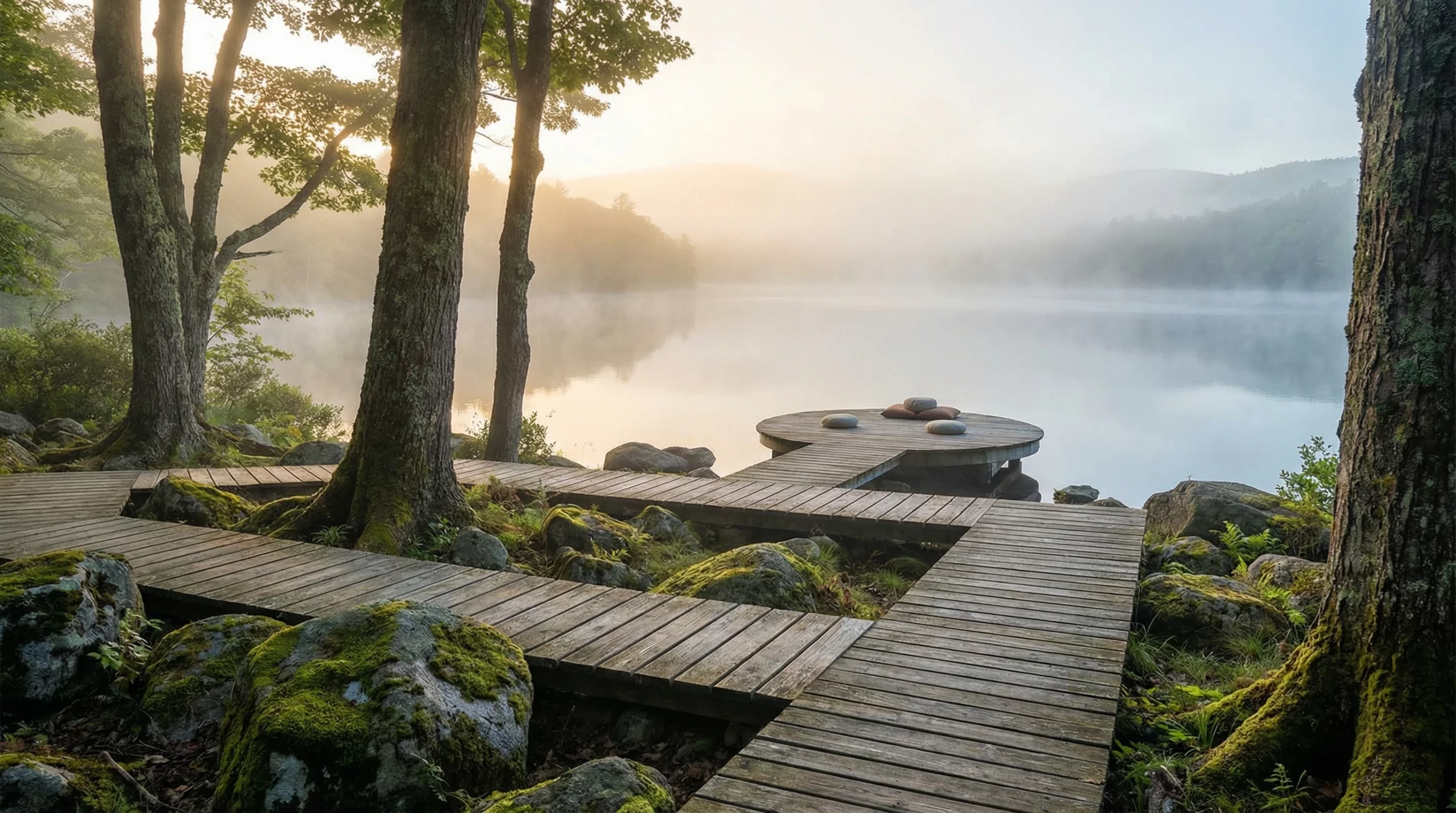
A mindfulness retreat for couples is a guided escape where both partners can unplug from busyness and work on being present, together. These retreats usually take place in quiet, nature-rich settings, like mountain lodges or lakeside cabins. The heart of it is practicing mindfulness—simple techniques to build awareness, reduce stress, and create more meaningful moments between you and your partner. Instead of focusing on problems, the atmosphere is all about connection, communication, and shared calm.
Sessions are often guided by experienced instructors who know how to keep things relaxed but meaningful. You’ll find a mix of group activities with other couples (sometimes), as well as private time for just the two of you. It’s a different vibe from traditional couples therapy. The focus is much more about present-moment experience and gentle growth together.
What Happens at a Mindfulness Retreat?
Mindfulness retreats for couples often blend group practices and one-on-one time in a low-pressure, supportive setting. Here’s a typical flow you might expect:
- Guided Meditation: Most retreats include guided meditation sessions. This could be silent sitting together, breathwork, or even mindful walking. The idea is to practice being fully present, both for yourself and as a couple.
- Couples Activities: Think journaling exercises, shared yoga classes, or mindful silence. These activities don’t always need words and can help reawaken those small connections that get lost in the rush of daily life.
- Workshops on Communication: Many retreats help you pick up communication habits that lower stress and avoid misunderstandings. You might learn active listening, open dialogue methods, or techniques to handle conflict with more patience.
- Nature Time: Most locations are chosen for their relaxing atmosphere. Guided hikes, forest bathing, or simply unplugged downtime outside give you a chance to let go of stress and reset together.
- Nourishing Meals: Meals are usually prepared with mindfulness in mind—healthy, delicious, and often enjoyed in silence or with gentle conversation.
- Personal Reflection: Guided journaling or private check-ins with instructors let you talk through what you’re learning and set intentions for keeping the mindful vibe going even after you’re back home.
While every retreat is a little different, the overall idea is to provide tools and experiences that both partners can use long after the trip ends. The main theme is slowing down together and creating space for real connection to grow.
What Are the Signs a Couple Needs a Retreat?
Every relationship hits bumpy patches. Sometimes, though, those bumps start to feel like barriers. If you recognize any of these signs, a mindfulness retreat might be worth considering:
- Communication feels tense or difficult: Little talks turn into big arguments, or you find yourselves not talking about things that actually matter.
- Lack of quality time: Between work, family, and screens, you struggle just to connect for even a short while without distraction.
- Old patterns keep repeating: You notice the same misunderstandings popping up again and again, with no real solution in sight.
- One or both partners feel emotionally distant: There’s a sense of drifting apart, even though you may share a space together.
- Major life changes: Sometimes new challenges like a recent move, a new baby, or career stress can shake things up.
Even if you’re not in a tough spot, some couples try mindfulness retreats to keep their relationship in a positive place. Proactively investing in your partnership is just as valid as crisis management, and these retreats can help set you up for long-term happiness together.
How to Choose the Right Mindfulness Retreat for Couples
Not all retreats are created equal; some lean into luxury and spa treatments, while others are minimal, with a stronger focus on meditation. Picking the right fit comes down to your personalities, goals, and what feels most comfortable for both of you. Here are a few things that help:
- Location: Quiet, natural settings make it easier to unplug. Popular options include mountain hideaways, coastal areas, or peaceful countryside lodges.
- Facilitator Experience: Look into the background of teachers or guides. Yoga instructors, licensed therapists, or mindfulness trainers should have strong reviews and plenty of experience.
- Program Structure: Some retreats are highly scheduled, while others leave lots of downtime. Decide if you want more structure or room to roam.
- Group Size: Smaller groups can create a more intimate atmosphere, but some people like the energy of bigger groups.
- Budget and Amenities: Costs can range from simple, rustic packages to deluxe options with extras like spa treatments or private rooms. Sticking to your budget keeps things relaxed.
- Reviews and Recommendations: Reading honest reviews or connecting with friends who’ve attended can give you real insight into what to expect.
Planning ahead helps set clear intentions. Openly talking through what you both hope to get out of the trip makes it easier to get on the same page; you’re more likely to enjoy the retreat when you both know what you want.
What Is the Best Couples Retreat?
There’s no single “best” retreat for all couples. It really depends on what you value most. A few well-regarded options consistently show up on mindful couples’ wish lists:
- Esalen Institute (California): Famous for its hot springs and cliffside views, Esalen offers mindfulness and relationship workshops in group or private formats. It’s a favorite for couples who want both transformation and some West Coast nature.
- Spirit Rock Meditation Center (California): Traditional meditation, easy for all experience levels, with excellent teachers and quiet spaces surrounded by woods.
- The Art of Living Retreat Center (North Carolina): Not just for individuals, but their couples programs blend mindfulness, yoga, and gentle communication coaching in the Blue Ridge Mountains.
- Small regional or luxury retreats: Many boutique retreat centers offer couples weekends across the US and Europe. If you crave privacy and personalized attention, these are worth checking out (try searching for “mindfulness retreat for couples near me”).
The best retreat for you and your partner is one where you both feel comfortable, welcomed, and inspired to grow together. If you’re not sure where to start, picking a retreat with experienced facilitators and a strong reputation is always a good idea. Aside from the big names, even smaller local spots can be pretty special if they match your vibe.
Preparing for Your Retreat Experience
Getting the most from your retreat often comes down to mindset. Flexible expectations and gentle curiosity go a long way. Packing is usually simple: comfortable clothes, a journal, and maybe a favorite book for downtime are all you really need. Many retreats provide schedules in advance, so you know what to expect when you arrive. It’s also a good idea to let retreat facilitators know about dietary needs, allergies, or accessibility concerns, so you can just focus on being present once you get there.
Unplugging can feel odd at first. Most retreats ask you to put away phones and other devices, but this initial adjustment creates space for creativity and new ways to connect with your partner. Going in with an open mind helps you soak up all the benefits the experience has to offer. Sometimes, the first few hours can feel a bit awkward, but soon you’ll notice your stress fading as you get into a natural rhythm together.
Tips for Keeping Mindfulness Going After the Retreat
It’s easy to feel calm and close after several days in a beautiful, focused setting, but the real magic happens when you carry things back home. Here are a few strategies that couples find really helpful:
- Together Time: Set aside regular unplugged time together—even if it’s just 10–15 minutes each day—to check in, share something positive, or enjoy a quiet moment.
- Shared Mindfulness Practice: Consider making morning meditation or gentle yoga a joint ritual. Even a short breathing practice can set the stage for a positive day.
- Remember What Worked: Write down a couple of retreat practices or mantras that spoke to you both, and refer back when things feel hectic.
- Be Patient: Life gets busy quickly, but little reminders (like a sticky note or a shared mantra) can keep you both anchored to what brought you together on the retreat.
- Reflect Regularly: Take time every week or month to talk about what’s working and what could use a tweak. This habit keeps your connection growing and makes it easier to spot small issues before they become big ones.
Staying connected takes intention, but small efforts go a long way toward building a happier, more mindful relationship. Remember, it’s the little habits that help you maintain the retreat spirit even in day-to-day life.
Frequently Asked Questions
Question: What is the best couples retreat?
Answer: There’s no single “best” for everyone, but popular options include the Esalen Institute in California for those craving a mix of nature and mindfulness, or Spirit Rock Meditation Center for traditional retreats with a gentle vibe. Regional boutique retreats are also worth exploring if you want something more private. The best pick feels right for both partners and fits your budget, goals, and comfort level.
Question: What happens at a mindfulness retreat?
Answer: Guided meditations, couples activities (like yoga and mindful communication exercises), nature time, nourishing meals, and private reflection sessions are pretty common. Facilitators guide couples through new ways to connect without pressure, giving you tools to stay close and present long after you leave the retreat center.
Question: What are the signs a couple needs a retreat?
Answer: Signs include communication struggles, drifting apart, repeating old patterns, feeling overwhelmed by life changes, or just noticing that quality time has disappeared. A retreat can help bring you back together in a calm, supportive space.
Mindfulness retreats for couples offer space for quiet, growth, and new ways of being together. Investing a little time away in a peaceful setting is a gift you can keep sharing, long after the trip is over.