
Curiosity about extraterrestrial life is something almost everyone shares at some point. When I consider how religions around the world view the idea of aliens, the answers are definitely not simple. Most religions were formed long before spaceships, telescopes, or science fiction. Still, many spiritual traditions have wrestled with the possibility that life exists beyond our planet and what that might mean for faith and humanity’s place in the universe. I’m going to walk through how several major religions respond to the idea of extraterrestrial life and what might happen to religion if alien life is ever found.
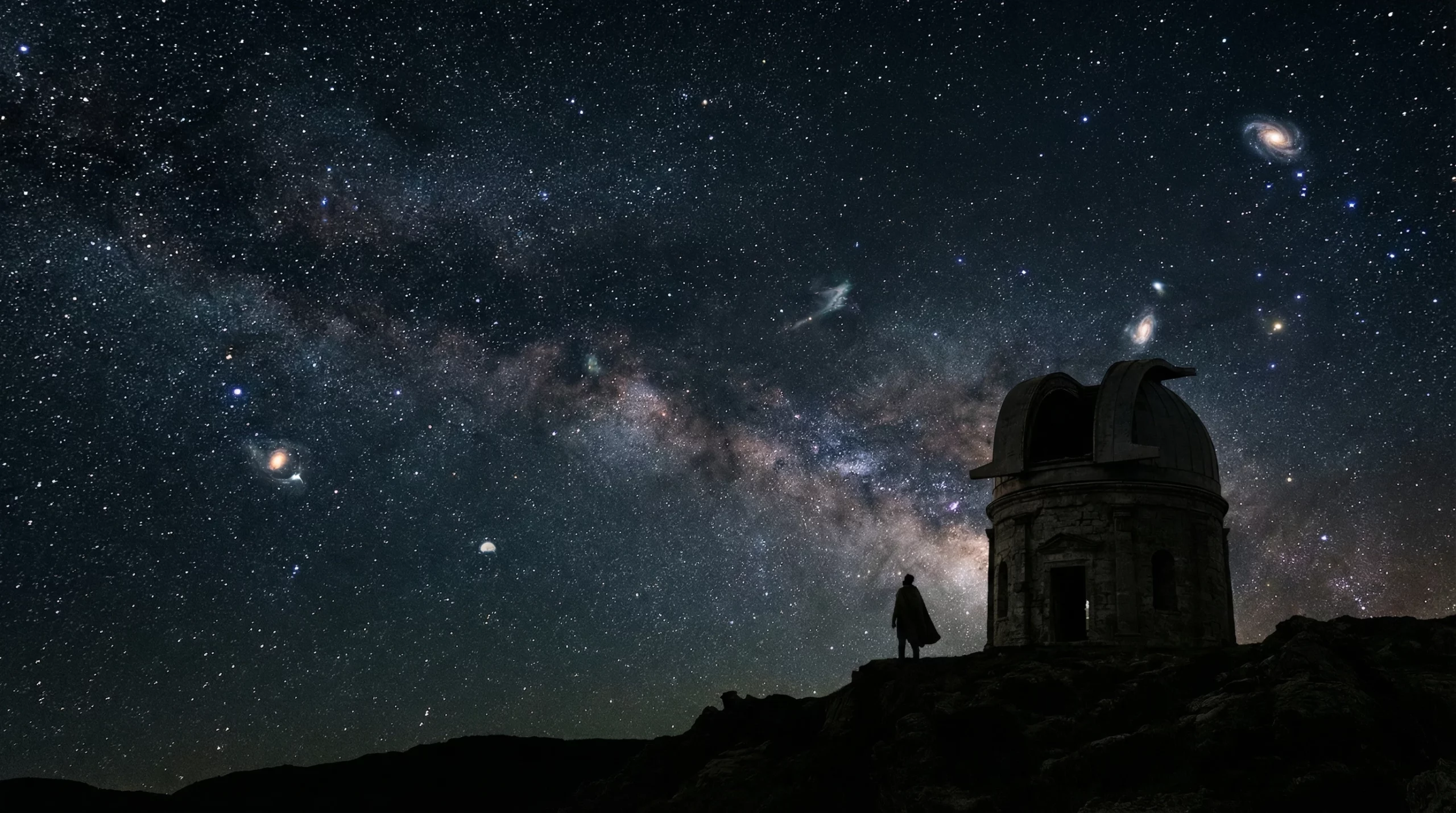
How Religions Have Responded to Extraterrestrial Life
The topic of extraterrestrial life has been a part of religious discussions for centuries. Philosophers and theologians from many backgrounds have imagined what it would mean if other intelligent beings existed in the universe. Some faiths are more open to the possibility, while others focus mainly on human life on Earth. In most cases, there is no single official view; themes and tendencies emerge within each tradition.
Even though the language of ancient religious texts doesn’t mention aliens directly, people in the modern world often ask whether their faith can accommodate discoveries such as new life forms. Exploring these ideas doesn’t always create conflict with belief. Instead, it can lead to new ways of understanding creation, divinity, and humanity’s responsibilities. Sometimes, these conversations result in careful consideration and even healthy debates among believers about what it means to be part of a vast universe.
What Does God Say About Extraterrestrial Beings?
Most mainstream religious texts—from the Bible to the Quran, Torah, and Vedas—do not directly mention extraterrestrial life. When I look at these scriptures, I see lots of room for interpretation. Many believers point out that the absence of a statement on alien life does not mean the idea is forbidden. It just was not addressed in those specific texts or times.
Some Christian scholars, for example, suggest that God’s creation is vast and could easily include beings on other planets. The idea is that if God created the universe, then life could very well be present elsewhere, and that would still fit within a religious worldview. Jewish, Islamic, and Hindu thinkers sometimes reach similar conclusions. Their focus is less on literal descriptions and more on how spiritual principles could apply to all forms of life, if they exist. There is also a recurring belief that if God has not told us everything, the plan or a mystery is yet to unfold.
Christianity and Extraterrestrial Life
The Christian response to extraterrestrial life depends a lot on denomination and theological tradition. Most Christian churches do not have an official statement one way or the other. Many Christian thinkers have left the door open to the possibility of aliens. Some even say that if intelligent life exists elsewhere, it is a reflection of God’s creativity, not a challenge to faith.
Several prominent figures in Christian history, such as C.S. Lewis, have addressed these questions with curiosity rather than fear. For instance, Lewis wrote science fiction novels exploring the idea of salvation and God’s love, applying them to other worlds. Modern Christian leaders, including a few past Popes and Vatican astronomers, have said that belief in aliens does not conflict with faith in God. They argue that God’s power and love are big enough to include aliens, should they exist.
Some branches of Christianity, especially those that interpret the Bible more literally, might push back against the idea, saying that human beings are unique in God’s plan. Others suggest that if aliens are found, Christians would adapt their beliefs by focusing on the core message of Christ’s love and redemption. In general, Christianity does not firmly rule out life on other planets, and many find ways to reconcile future discoveries with their faith. This openness reveals how flexible religious thought can be when new questions arise.
Islamic Perspective on Extraterrestrial Life
Islam takes a slightly different approach when considering intelligent life beyond Earth. Verses in the Quran are sometimes interpreted as referring to creatures or beings that are neither human nor of this Earth. For example, some Quranic passages mention “creatures of the heavens and the earth” that praise God in their own ways. While these are not explicit references to aliens, many Muslims see these verses as leaving the door open for extraterrestrial existence.
Islamic scholars commonly say that if God created the heavens and Earth, it makes sense that life could exist elsewhere. The Islamic worldview tends to see the universe as full of mystery. The possibility of intelligent extraterrestrial life is generally not considered to go against Islamic beliefs. For many, the discovery of life elsewhere would simply be a new example of God’s creativity. Others believe that, just as God sent prophets to humanity, God might have chosen to communicate with other forms of intelligent life, if they exist, in different ways. Islam’s openness to the mysteries of the universe means that surprising scientific findings often prompt wonder and thoughtful discussion in the faith community.
Jewish Views on Life Beyond Earth
Judaism covers a wide spectrum of beliefs, from strictly traditional to more progressive and open-minded. Like Christianity and Islam, there isn’t a clear, unified statement about aliens. Some Jewish philosophers, especially those from medieval times, openly speculated about the possibility of life beyond Earth.
Many modern Jewish thinkers say that God’s creation is limitless. The Talmud and other Jewish writings sometimes refer to “other worlds,” though these can be symbolic as well as literal. The general consensus is that if evidence of extraterrestrial life is found, Jewish beliefs would likely adapt. The emphasis remains on moral action, study, and the human relationship to God, whether or not aliens exist. In recent years, some rabbis and scholars have even written essays and held symposia on how Judaism might respond to the news of alien life, illustrating the religion’s unique blend of ancient wisdom and willingness to venture into new intellectual territory.
Eastern Religious Approaches
Buddhism, Hinduism, and other Eastern traditions often imagine a universe that is more layered and diverse than just one planet or form of life. In Hindu cosmology, for example, many worlds and realms of existence are described, some of which could easily be interpreted as planets with other forms of life.
Buddhist traditions speak of countless world systems, each with sentient beings capable of reaching enlightenment. For Hindus and Buddhists, the discovery of extraterrestrial life would probably not conflict with religion at all. Instead, it might feel natural, since these faiths often present reality as vast and multilayered. A similar openness appears in other religious or spiritual systems in Asia as well. It’s worth noting that both Buddhism and Hinduism have long shaped their perspectives around the cycles and patterns found throughout nature and the cosmos, which makes them especially well-equipped to embrace broader definitions of life and consciousness.
What Happens to Religion If We Find Alien Life?
The possibility of extraterrestrial life is a question many religious people ponder. When I imagine what might happen, I believe religions are more adaptable than they sometimes appear. Finding solid evidence of alien life could cause some to reexamine long-held beliefs, but most faiths have a long history of adjusting to new discoveries. For example, the shift from thinking the Earth was the center of the universe to accepting a sun-centered solar system was a huge change; yet most faiths found ways to adjust over time.
For believers who view scripture as adaptable or symbolic, the discovery of aliens could inspire deeper spiritual questions. People might ask whether God’s plan includes all life everywhere, not just humans. New theological ideas might develop about creation, morality, and what makes a soul. A discovery like this could also lead to stronger connections between faith and science, as both seek answers to life’s biggest mysteries. In certain cases, people who interpret religious texts very literally might experience uncertainty and tension, but even these communities often find new ways to interpret their faith. Overall, humanity’s response to major discoveries usually includes a period of growth, conversation, and learning.
Does Religion Believe in Aliens?
Most religious traditions do not specifically state, “aliens exist,” but they also do not say aliens are impossible. Faith and science cover different parts of human experience. I’ve noticed that religious people can be both faithful and curious about the unknown, holding space for the idea of life elsewhere without feeling it threatens their relationship with God, the universe, or spiritual teachings.
Pew Research studies and theology interviews show a range of opinions within religious communities. Some believers are comfortable mixing the latest scientific knowledge with their spiritual worldview. Others prefer to wait for more evidence before deciding how discoveries fit into their beliefs. The interplay between faith and discovery continues to spark conversations worldwide, allowing both skepticism and openness to shape people’s responses.
Things to Consider When Thinking About Extraterrestrial Life and Religion
I find that asking big questions about aliens and religion leads to more questions. Some thoughts to keep in mind:
- Scriptures are often open to new ideas: Interpretation of ancient texts can change over time as humans learn more about the world and the universe.
- Faith adapts to new information: Religious communities have a track record of working out new understandings as scientific discoveries unfold.
- Spiritual questions go beyond human life: Many religious traditions already speak of spiritual beings, angels, or other worlds, which means they may be able to include extraterrestrial life with less conflict than expected.
- Ethical and moral principles: If alien life is discovered, religious people may focus first on how to interact ethically with other life forms, just as teachings guide treatment of other humans, animals, and the planet.
Another important aspect to think about is how relationships might form between humans and any new forms of life. Some religious traditions emphasize hospitality, compassion, and understanding; these values could play a central role if humanity ever encounters beings from another world. Knowing how flexible belief systems can be, it’s likely that many traditions would seek common ground and principles of coexistence, just as they have across cultures and through new discoveries throughout history.
FAQs on Religion and Extraterrestrial Life
What does God say about extraterrestrial beings?
Most major religious texts do not specifically mention extraterrestrial life, which leaves plenty of room for interpretation. Some believers feel God’s creation is large enough to include all forms of life, even those we haven’t yet stumbled upon.
What happens to religion if we find alien life?
Religions have a history of adjusting to new discoveries. If aliens are discovered, most believers would likely seek ways to incorporate this into their understanding of faith without losing core principles.
Does religion believe in aliens?
While most religions do not officially state a belief in aliens, few rule it out. The response varies by tradition and by individual, but most would consider new evidence before deciding how it fits with their beliefs.
What does Islam say about extraterrestrial life?
Islam does not reject the idea of life beyond Earth, and some Quranic verses are interpreted as making room for creatures throughout creation. Islamic scholars often view the discovery of aliens as compatible with belief in God.
What does Christianity say about extraterrestrial life?
Christianity offers a range of views, with most denominations open to the idea that God could have created life elsewhere. Many Christians believe that if aliens exist, it would reflect God’s creativity rather than contradict faith.