Religious beliefs and spiritual practices have long inspired artists, shaping entire art movements across cultures. My experience with art history shows that religion doesn’t just influence what gets painted or sculpted. It also guides how artists approach their work, the techniques they choose, and the messages they aim to say clearly. Understanding the connection between faith and art gives a broader view of why so many masterpieces hold special meaning across time and place.
How Religion Shapes Artistic Expression
Religious ideas and traditions set the foundation for creative styles, subjects, and methods. In my study of famous works, I notice how images, symbols, and stories in art often reflect the beliefs of certain communities or periods. Artists create visual representations that help people connect with faith, remind them of sacred stories, or bring spiritual concepts to life. For example, medieval European paintings focus on Christian iconography, while Islamic art emphasizes intricate patterns and calligraphy instead of human forms.
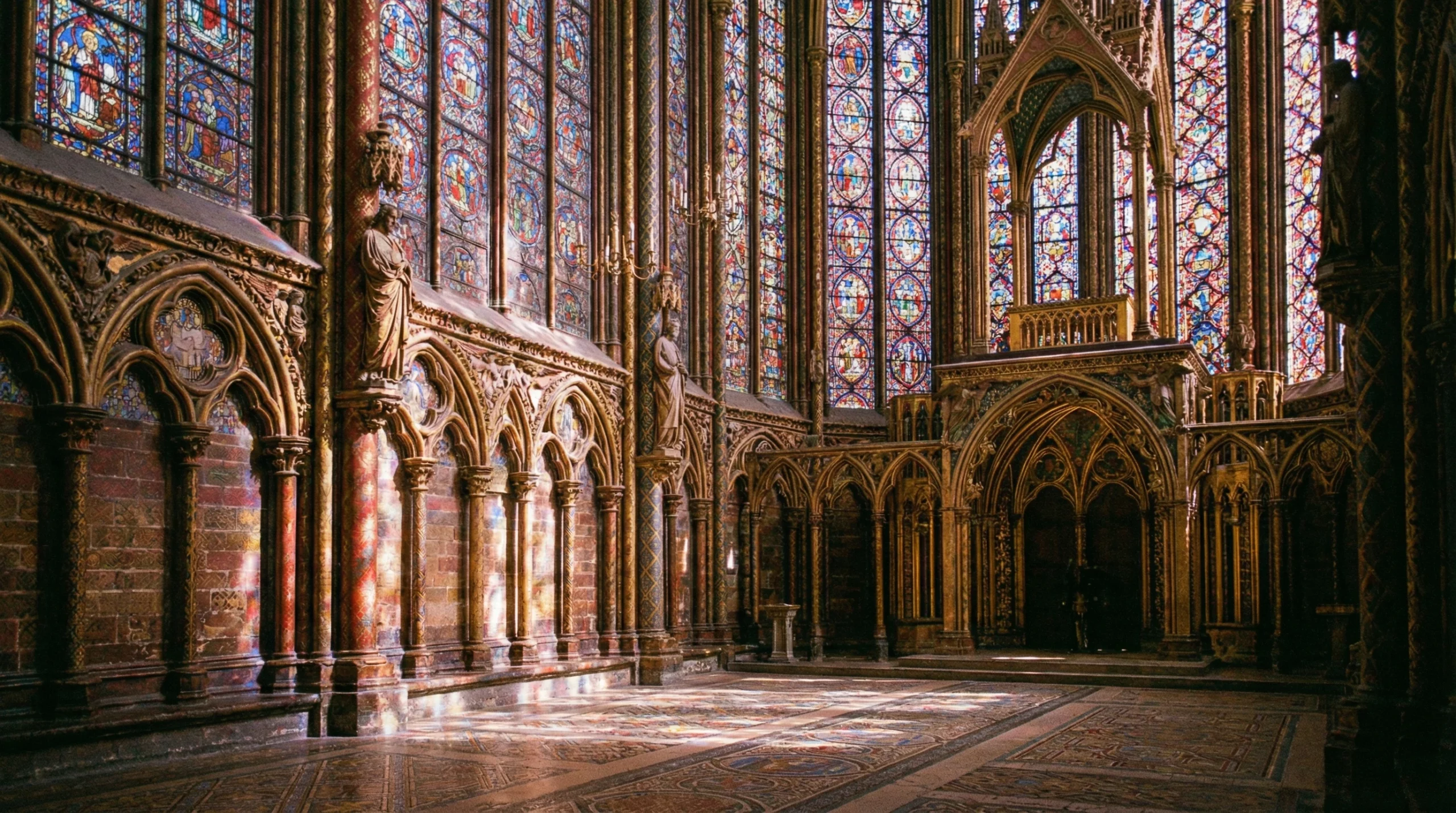
Religion influences the type of art that flourishes in a culture. In places where religion is central to daily life, art often draws on sacred texts or rituals. This influence can show up in many forms, from the construction of temples and cathedrals to calligraphy in holy texts and elaborate altarpieces. If you check out Buddhist sculpture in India or the stained glass in a French cathedral, it becomes clear how art and belief are closely connected.
Ways Religion Inspires Art Movements
Certain art movements are directly shaped by devotion, doctrine, or religious tradition. Throughout history, leaders and communities have commissioned or encouraged artwork that reflects their values and beliefs. This can lead to the rise of new styles, themes, or even techniques tied to faith. For instance, the Catholic Church’s influence during the Renaissance prompted artists to explore perspective, realism, and new ways of depicting the divine.
- By setting expectations: Religion provides clear subjects, such as saints, prophets, or sacred events, and often gives guidelines for how art should represent these figures.
- Through sponsorship: Religious institutions often support artists or commission major works, leading artists to cook up styles that meet spiritual needs or attract worshippers.
- By shaping artistic rules: Specific rules about imagery and ornamentation, common in traditions like Islam or Judaism, guide what artists can and cannot depict.
Art movements like Byzantine art flourished as Christianity spread. Baroque styles responded to the Catholic Counter-Reformation. Knowing the spiritual setting behind a movement makes the choices artists made much clearer, from colors to subject matter to overall composition.
Architecture: Religion’s Lasting Artistic Legacy
Religion’s influence on art is maybe most vivid in architecture. Some of the world’s most admired buildings serve religious purposes, such as cathedrals, mosques, temples, and synagogues. I’m often amazed by how faith motivates communities to invest resources, labor, and creativity into making spaces that look and feel sacred.
Cathedrals like Notre Dame in Paris or the mosques of Istanbul are designed not just for gathering but for inspiring awe. Features such as soaring ceilings, detailed carvings, stained glass, domes, and minarets connect worshippers to the divine through height, light, and space. You might check out temples in India, adorned with mythological figures and symbols that tell stories from Hindu texts and invite meditation. In Islamic architecture, geometric patterns and pristine calligraphy replace icons to reflect the infinite nature of God.
Building design often matches the values of a faith tradition. Churches use the cross-shaped floor plan, Buddhist stupas symbolize the path to enlightenment, and Jewish synagogues may create focal points for reading the Torah. Whether in stone, wood, or gold, these structures carry meaning for believers and offer insight into the society that built them.
Throughout the centuries, new architectural techniques were developed to enhance the grandeur and meaning of sacred buildings. Flying buttresses in Gothic cathedrals allowed for taller walls and more colorful stained glass, letting in light that symbolized the presence of the divine. In ancient Rome, the use of domes and arches in early Christian basilicas brought a sense of stability and heaven-bound aspiration. Similar advances can be found in Buddhist pagodas, whose layered roofs symbolize steps toward enlightenment.
Major Art Movements Influenced by Religion
Certain art movements stand out because of their strong ties to religion. Here are some that I believe really shaped how people see the relationship between faith and creativity:
- Byzantine Art: Born out of the Eastern Roman Empire, this movement is marked by golden mosaics, icons, and flat, stylized figures. Its aim was to communicate Christian stories and teach faith through grandeur and symbolism.
- Gothic Art and Architecture: Originating in medieval Europe, Gothic cathedrals rose to incredible heights with pointed arches and stained glass that told Biblical stories. The experience of light and space was intended to inspire worshippers and guide their thoughts toward heaven.
- Islamic Art: Focused on calligraphy, geometric design, and patterns, Islamic art avoids images of living beings, especially in religious contexts. The art forms celebrate the beauty of God’s word and the order found in nature, as shared in the Quran.
- Renaissance Art: Sparked in Italy, the movement included masterpieces devoted to Christian subjects. Artists like Michelangelo and Leonardo da Vinci sought to combine faith and reason, painting lifelike figures with deep spiritual meaning.
- Baroque Art: Linked with the Catholic Church’s effort to spread the word about its beliefs, Baroque works are full of drama, emotion, and bright contrasts. They sweep viewers into scenes of miracles and martyrdom, with artists like Caravaggio leading the way.
- Buddhist Art: Ranging from statues of the Buddha to wall paintings and mandalas, Buddhist art across Asia brings to life ideas of enlightenment, compassion, and the path out of suffering.
Other traditions, such as Hindu temple art or early Christian mosaics, play an equally meaningful role in different cultures. Each movement answers spiritual questions using local materials, styles, and traditions. Even folk art in rural communities often draws on religious stories and symbols, fostering a sense of shared identity and purpose.
Helpful Tips to Spot Religious Influence in Art
If you’re exploring art museums or historical sites, you can spot religious influence by looking for a few clues I often rely on myself:
- Check for symbols and stories: Paintings or statues may include halos, lotus flowers, or animals with spiritual meaning.
- Notice the setting: Sacred spaces often have unique layouts, such as altars, prayer halls, or sacred relics on display.
- Look at materials and craftsmanship: Gold, mosaics, and handcrafted wood often suggest something meant for worship or spiritual contemplation.
- Find written text: Calligraphy, inscriptions, or holy texts added to works can connect them directly to religious traditions.
- Understand the emotions: Art made for religious contexts often aims to move, inspire, or comfort the viewer, reflecting themes found in prayers or rituals.
Taking time to learn about the faith or society that created the artwork can often help uncover deeper meanings and enrich the viewing experience. In many cases, asking locals or guides about certain symbols or rituals opens up new layers in what you see. Art tours or museum placards will often point out how unexpected objects or colors are tied to ancient beliefs or specific holidays.
Challenges Artists Face When Mixing Religion and Art
Artists working with religious themes often run into challenges. In my research, I’ve found that balancing respect for tradition with creative freedom is not always easy. Rules about what can be shown can sometimes limit an artist’s choices, especially in traditions that avoid images of people or gods. Artists may also face social or political pressure to conform to prevailing beliefs.
On the other hand, religious art offers an opportunity to reach many people and leave a lasting mark. I’ve noticed that, even within constraints, artists find ways to use color, pattern, or scale to convey their messages. Challenges lead to thinking outside the box, as seen in the spread of abstract decoration or the creative use of everyday materials in certain faiths. Some artists also bravely tackle controversial subjects, sparking debate or bringing attention to changing beliefs and societal shifts. In the long run, religion’s impact on art fuels a constant mix of tradition and reinvention.
Frequently Asked Questions
Here are some common questions that come up when people ask about religion’s effect on art:
Question: How has religion influenced art?
Answer: Religion has shaped which topics artists choose, the style they use, and even the techniques they develop. Famous works like the Sistine Chapel or medieval icons show how faith leads to new forms of creativity and storytelling.
Question: How can religion influence movements?
Answer: Religious beliefs and institutions often guide or sponsor art movements. They provide themes, rules, or resources that set trends in painting, sculpture, or architecture, such as supporting Baroque art during the Counter-Reformation.
Question: How did religion influence architecture?
Answer: Religion affects the layout, materials, and decoration of buildings. Sacred spaces, such as temples or synagogues, are designed to support rituals, beliefs, and symbols, creating spiritual environments for worship or reflection.
Question: What are the most influential art movements?
Answer: Among the most influential are Byzantine art, Gothic and Renaissance art, Baroque art, Islamic art, and Buddhist art. Each draws heavily on religious ideas and has impacted global culture well beyond its origins.
Key Takeaways on Religion and Art Movements
Religion has inspired many of the world’s most important art movements. I see this in architecture, painting, sculpture, and even the way stories are told through images. By exploring how beliefs shape art and what challenges artists face, you can start to appreciate the spiritual messages hidden in design, color, and composition. Whether you are stumbling upon a new painting or wandering through an old cathedral, understanding the link between religion and art opens up a whole new side to creativity and history. If you keep an eye out for symbols or themes from faith, each piece of art can offer a new window into beliefs, customs, and the creative spirit that binds communities.