Spiritual retreats offer a unique way to step away from the daily rush and focus on personal growth, healing, and finding a deeper sense of purpose. While everyone’s adventure is different, retreats tend to create an inviting environment where it’s easier to reset, relax, and reconnect with what really matters. Here’s what to know about spiritual retreats for healing and life purpose, including practical tips and firsthand insights to help you make the most of the experience.

The Real Purpose of a Spiritual Retreat
The core intention behind a spiritual retreat is to provide a space for people to pause their usual routines and look inward. It’s not just for those seeking a religious experience. Most retreats welcome anyone looking to heal, recharge, or explore big-picture questions like “What am I here for?” or “What gives my life meaning?”
The main draws of a spiritual retreat aren’t about following strict rules or rituals. They’re about finding clarity, peace, and a deeper connection—with yourself, nature, a higher power, or even your community. During a retreat, everyday distractions are stripped away, making room for introspection and self-discovery that just doesn’t often happen at home. It’s in that change of pace and space that many people stumble upon insights or gently untangle what has been weighing them down.
Understanding Spiritual Healing
Spiritual healing goes beyond just physical or mental health. It’s about nurturing that deeper part of yourself—your sense of spirit, soul, or whatever you want to call it. The aim is to move toward wholeness, releasing emotional weight or old patterns holding you back.
People turn to spiritual healing for many reasons. Maybe they’re feeling lost after a tough life event, struggling with anxiety, or searching for more meaning. Retreats often combine practices such as meditation, energy work, breathwork, and mindfulness activities to soothe stress and promote a gentle sense of renewal. The supportive, judgment-free atmosphere encourages you to let your guard down and open the door for honest reflection and gentle change.
It’s important to remember that spiritual healing isn’t about quick fixes. It’s ongoing, and a retreat is just the starting point—a place to reconnect and get clarity. As you return to your day-to-day life, the tools, practices, and self-awareness you gained at the retreat can help you maintain that sense of healing and purpose long after you’ve left.
What is a Healing Retreat, Really?
A healing retreat is designed as a break from normal daily habits to focus on personal and emotional recovery. These experiences often use a variety of tools, such as guided meditations, gentle yoga, nature walks, journaling, or group sharing circles, to help you let go of what isn’t serving you anymore. Sometimes, the act of stepping away from your usual environment itself can set the stage for new beginnings.
Healing retreats aren’t the same as a spa weekend, though they can definitely feel soothing and comfortable. There’s a bigger emphasis on emotional and spiritual well-being, helping you process, forgive, accept, and move forward with more lightness and clarity in your life.
Real healing at a retreat can look different for everyone. For some, it comes from quietly sitting by a lake in the early morning. For others, it might come from opening up during a group session or learning a new approach to meditation. What matters is that a retreat gives you the time and support to focus solely on your growth and healing in a way that feels respectful and supportive. Often, people are surprised at how much support can come from complete strangers united with a similar intention.
Popular Types of Spiritual Retreats
Spiritual retreats come in many shapes and sizes, so finding the one that fits your needs is pretty important. Here are a few of the most popular types you’ll come across:
- Meditation Retreats: These might be silent or guided, and they’re focused on different types of meditation practices, like mindfulness, Vipassana, or lovingkindness. They’re great for quieting the mind and learning to be present.
- Yoga Retreats: These combine spiritual teachings, physical movement, and breathwork. You often get a mix of asana classes, mindful eating, and ways to connect with yourself or a supportive community.
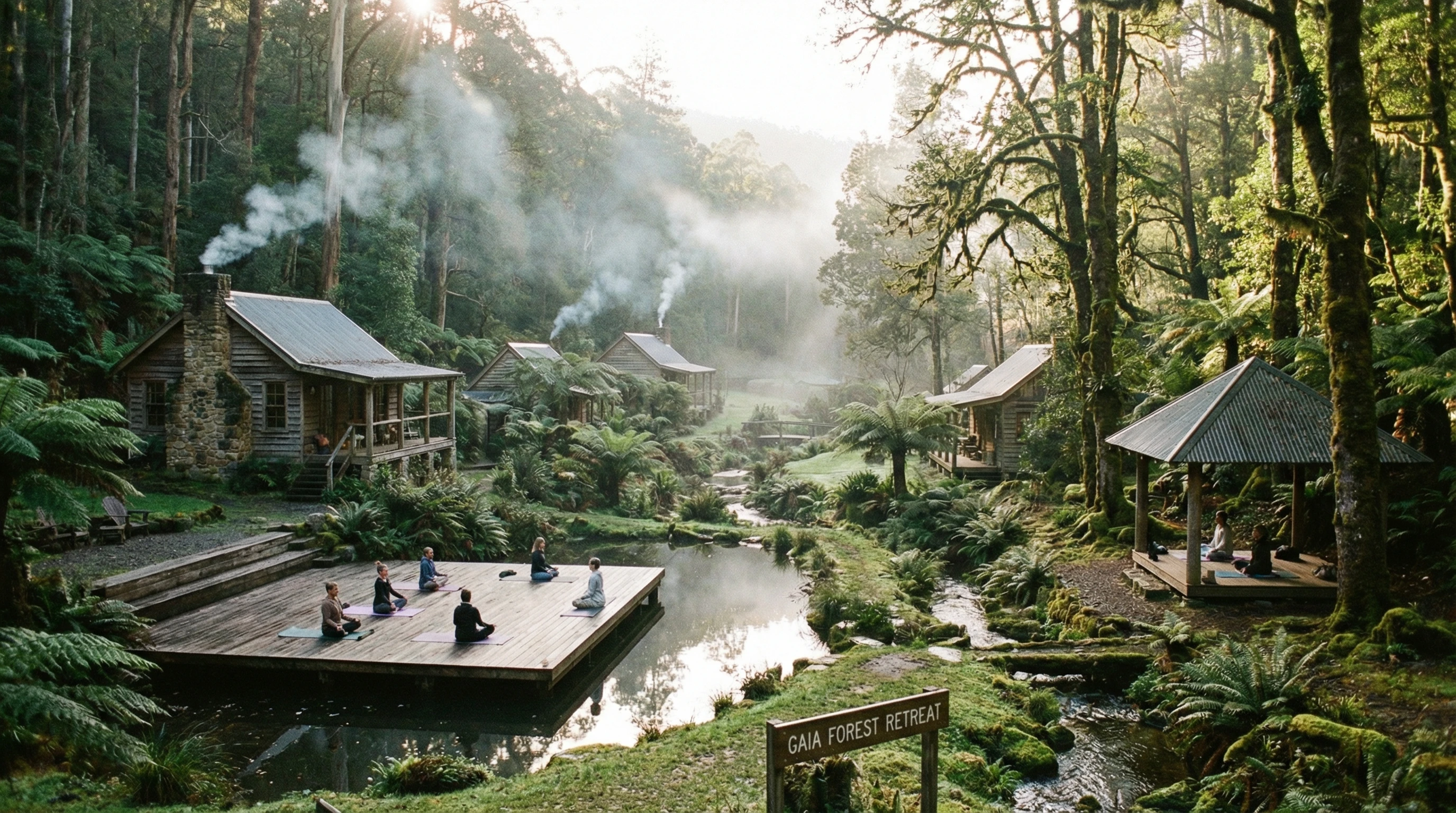
- Nature Retreats: Immersion in wild or serene places helps many people feel grounded and inspired. These retreats might focus on hiking, outdoor meditation, animal tracking, or forest bathing.
- Detox or Fasting Retreats: Some retreats encourage giving your body a break through clean eating, juice fasting, or gentle detox methods, combined with spiritual practices.
- Creative or Expressive Arts Retreats: This type uses art, journaling, dance, or music for healing and spiritual exploration. No prior experience needed; just a willingness to express yourself in new ways.
- Religious or Faith-Based Retreats: Many traditions—Christian, Buddhist, Jewish, Hindu, and others—hold retreats focused on prayer, study, or sacred ritual. These are designed to deepen connection within a particular faith tradition.
- Plant Medicine Retreats: In some parts of the world, spiritual retreats feature traditional ceremonies with plant medicines (like Ayahuasca in Peru). These are not for everyone and require careful research, but some participants find them helpful for self-inquiry and healing.
Quick Guide to Choosing a Spiritual Retreat for Healing and Life Purpose
Choosing the right spiritual retreat is a personal decision, and it helps to ask yourself a few honest questions first. Here’s a quick rundown:
- Clarify Your Why: Think about what draws you toward a retreat. Is it healing, relaxation, new spiritual learning, or a major life transition?
- Budget and Time: Retreats range from basic and affordable to high-end luxury. Most last anywhere from a weekend to several weeks. Consider your budget, your work and family commitments, and how long you can step away.
- Style and Focus: Decide if you want more structured programs (like daily classes and workshops) or lots of unstructured free time. Check whether the retreat’s philosophy aligns with your approach to spirituality.
- Setting: Some people recharge best in silence, mountains, or near water, while others need vibrant group energy. Think about what kind of environment will truly support you.
- Leaders and Credentials: Look into the background and training of teachers or facilitators running the experience. Reading honest reviews helps, and so does checking professional associations or certifications.
Careful research helps participants make informed decisions and pick the retreat that fits their needs, comfort level, and values. Make sure to check in with the organizers about details or specific requirements, and trust your gut when choosing what feels right.
Things To Keep In Mind When Attending a Spiritual or Healing Retreat
It’s totally normal to feel nervous before attending your first retreat, especially if you’re not used to spending quiet time alone or trying new practices in a group. Here are some things I’ve found helpful from personal experience:
- Open but Spot: Be open to new experiences, but always trust your gut about what feels right for you. It’s okay to step out of a session if it doesn’t resonate.
- Pack Lightly and Comfortably: Soft clothes and an open mind are your best packing strategy. Most retreats keep things lowkey, so bring only what will help you feel at ease.
- Honor Your Own Process: Some people have huge breakthroughs; others just unwind or sleep a lot. Both are valid. Don’t compare your adventure to someone else’s.
- Journaling: Keeping a journal can help track your thoughts and feelings, so you carry insights home after the retreat.
Being kind to yourself throughout the process is super important. Retreats work best when you let go of expectations and give yourself permission to experience whatever comes up. Everyone’s process looks a bit different; be gentle with yourself and allow space for whatever you feel.
More Tips For Making the Most of Your Spiritual Retreat
Here are a few extra tricks I use to settle in and really get the most out of a spiritual retreat:
- Unplug From Devices: Most retreats encourage this anyway, but putting your phone away even for a day makes a real difference in your focus and relaxation. Fewer distractions mean you’ll be more present for the experience.
- Set an Intention: Before you arrive, take five minutes to set a gentle intention. Even something like “I want to be kinder to myself” can create a powerful mix-up in your experience.
- Stay Hydrated and Rested: The deep inner work at retreats can be draining, so drink plenty of water and make sleep a priority.
- Aftercare: Give yourself time to ease back into normal life after the retreat. Try to stay mindful of the lessons learned, and find little ways to weave them into your daily routine.
- Connect With Others: While solitude is valuable, don’t overlook the wisdom and support that come from connecting with fellow retreat goers. Sometimes a single heartfelt conversation can stay with you long after the retreat is over.
All these steps make it easier to transition back to regular life feeling refreshed. If you start to drift away from the insights you gained, remember to revisit your journal or reach out to others from your retreat for support.
Frequently Asked Questions
What is the purpose of a spiritual retreat?
The main purpose is to help people reconnect with themselves and explore life’s deeper questions in a peaceful, distraction-free setting.
What is the purpose of spiritual healing?
Spiritual healing focuses on mending emotional and energetic wounds, moving toward a sense of inner peace and wholeness.
What is a healing retreat?
A healing retreat is a getaway focused on emotional, mental, or spiritual recovery, often using activities such as meditation, yoga, or group support to nurture growth and release old patterns.
What are the different types of spiritual retreats?
These include meditation retreats, yoga retreats, faith-based gatherings, plant medicine ceremonies, creative arts experiences, nature-focused escapes, and more. Each comes with its own practices and vibes.
Final Thoughts
Spiritual retreats for healing and life purpose are handy for anyone looking to step back, refocus, and figure out what matters most. The best experiences combine a gentle approach with supportive community, time in nature, and meaningful practices that help you grow. With an open mind and a little preparation, you’ll almost certainly walk away feeling lighter, clearer, and a bit more connected to your true self. Wrapping up, remember that your adventure is just beginning—the skills and self-awareness you gain on retreat can keep you grounded long after you’ve returned home.